Wellbotics is play therapy in the form of making, coding, and robotics. The Wellbotics Process was conceived, developed, and is in the process of being patented by Dr. Pam Davis, Founder and CEO of Wellbotics. And it all began with her doctoral dissertation.
The research design for Dr. Davis’ doctoral dissertation included three cycles: Setting The Stage, Needs Assessment, and Problem Solving. And each cycle included Needs Assessment, Problem
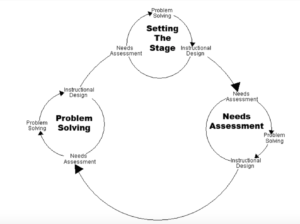
Solving, and Instructional Design sub-cycles, with the Instructional Design phase of one cycle leading to the Needs Assessment of the next cycle. (Davis, 2006)
Over time, this design evolved to include ideas from the realms of education as well as coding, engineering, and robotics. It is infused with elements of other design processes, including the instructional design process as well as the empathic design process. For example, according to Leonard & Rayport (1997), companies can engage in empathic design in a variety of ways, but most employ the following five-step process:
Step One: Observation
Step Two: Capturing Data
Step Three: Reflection and Analysis
Step Four: Brainstorming for Solutions
Step Five: Developing Prototypes of Possible Solutions
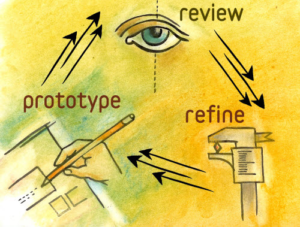
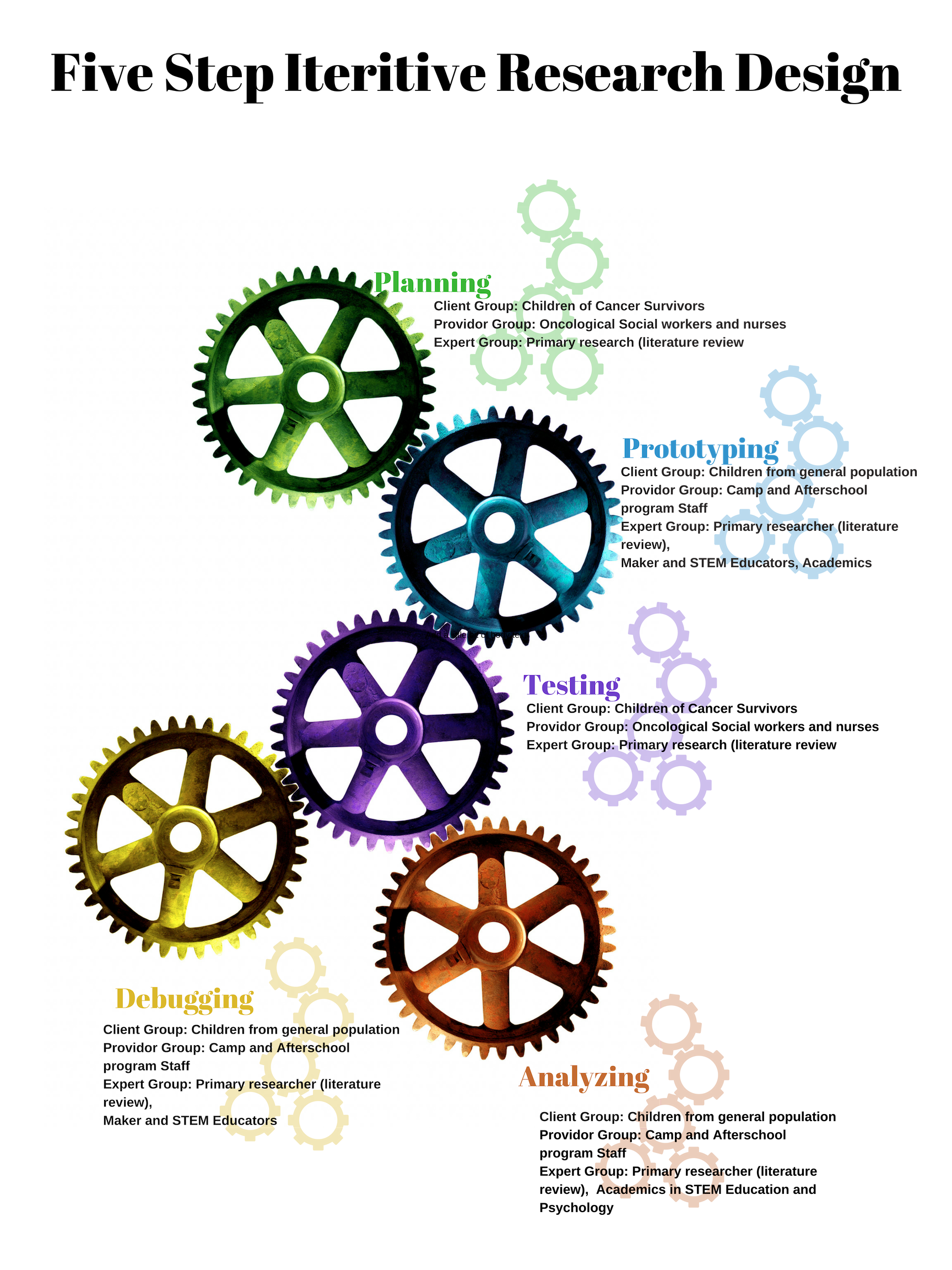
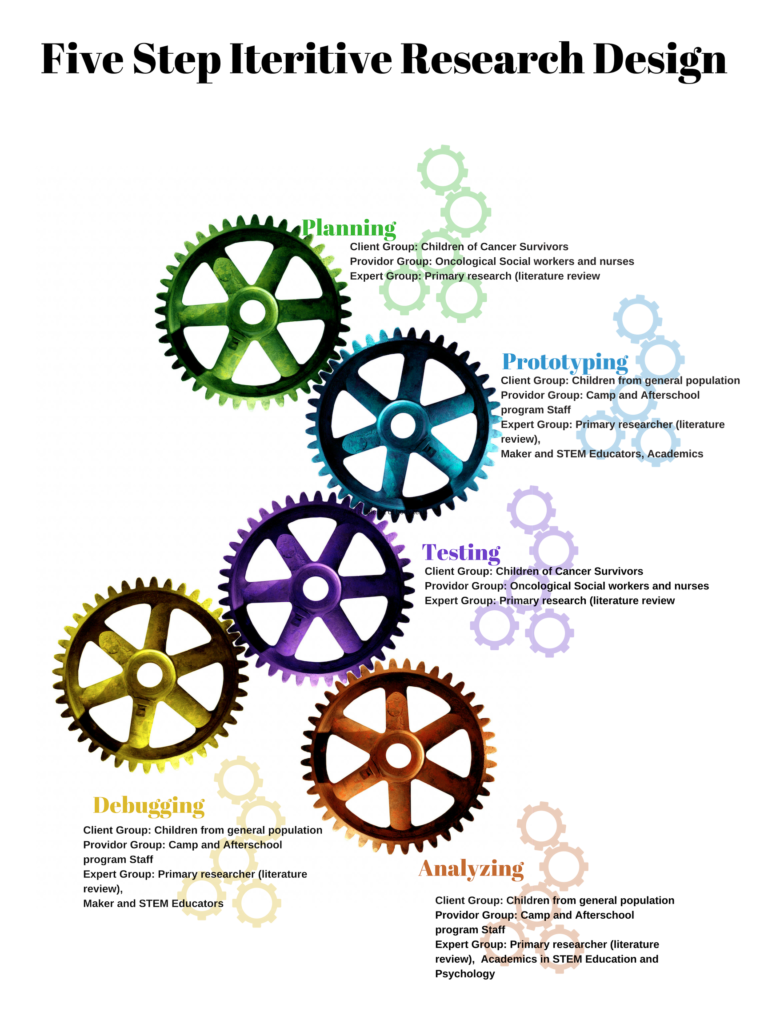
Ultimately, the process that Dr. Davis developed evolved into its current state, the Five Step Iterative Research Design, which works a bit like a cycle within a cycle, or what we like to call iterative,
because we’re nerdy like that. The design includes five cycles: Mapping, Prototyping, Piloting, Analyzing, and Debugging. And each cycle includes five phases also named: Mapping, Prototyping, Piloting, Analyzing, and Debugging. The Analyzing and Debugging phase of each cycle informs the Mapping and Prototyping phase of the next cycle, hence the iterative (nerdy) nature of the design process.
This process, which is now also referred to as The Wellbotics Process, has been further influenced by the work of Paulo Freire, the Brazilian educator and philosopher, to include a participant focus with a view of cultural respect and meeting people where they are. This is put into trauma-informed practice to help children and families and has become the foundation of Dr. Davis’ entrepreneurial endeavors.
This is the first in a series of articles on The Wellbotics Process. Check back with us for the next article which will begin to break the process down, step by step.
And in the meantime, follow us on Facebook, Twitter, LinkedIn, and Instagram for more news from the Wellbotics team.
Maria Class
Wellbotics Team Leader and Curator
References
Davis, P. (2006). Reach to Teach: Using Technology to Help Nontraditional Inner-City College Students Become Certified Teachers. (Unpublished doctoral dissertation). Teachers College, Columbia University, New York, NY.
Leonard, D., & Rayport, J. F. (1997). Spark innovation through empathic design. Harvard business review, 75, 102-115.